
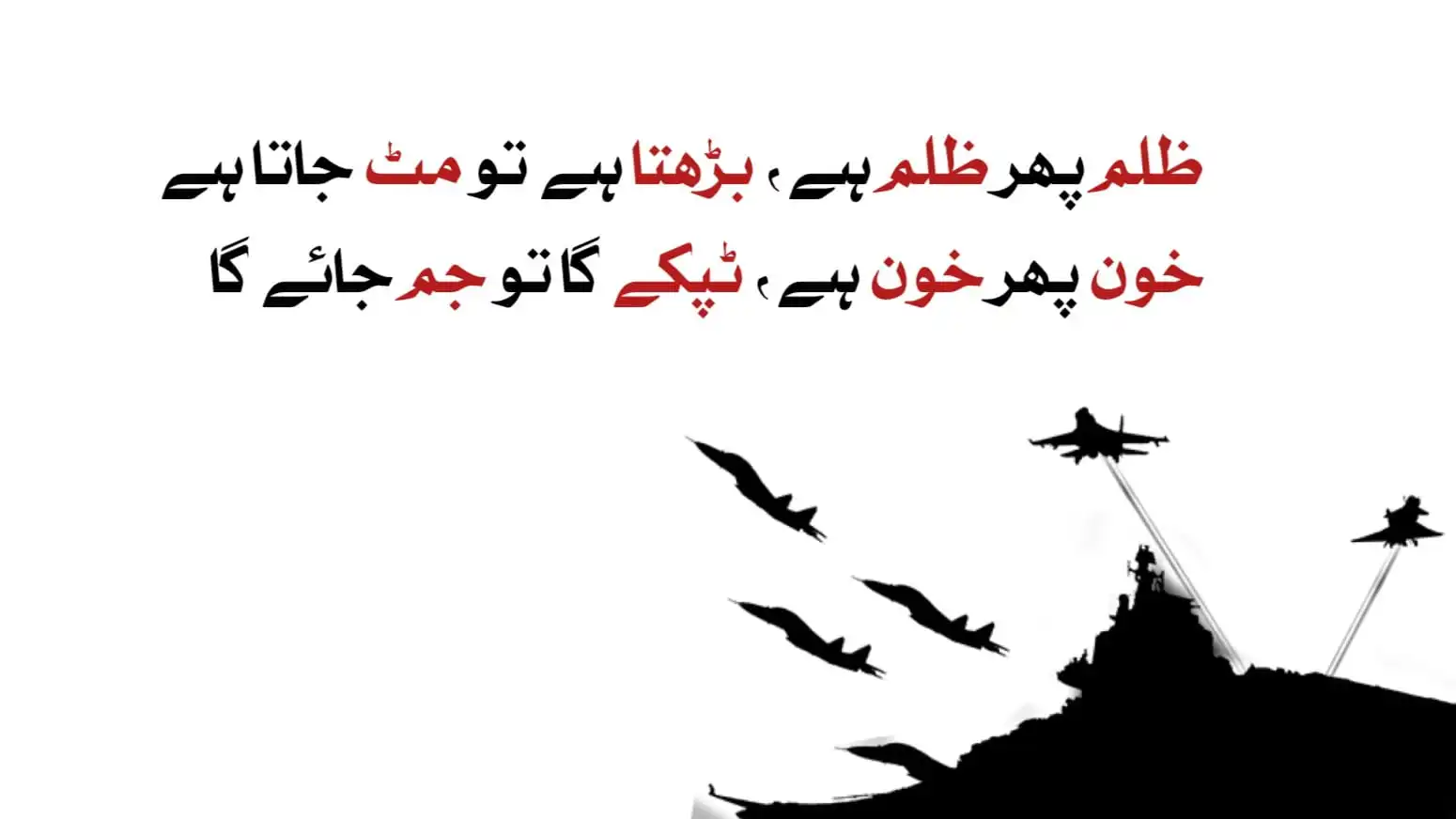
Urdu Poetry
[an Art of Healing]
Whenever you feel off, let magical shero shayari heals you.
WELCOME to our best urdu poetry collection. Where you can easily copy & paste urdu text poetry with just one click.
Click and Read your choice poetry …
Short History of Urdu Poetry
Urdu language developed through centuries of interaction among Arabic, Persian, Turkish, and regional Indian dialects. Its poetry in Urdu fonts evolved to reflect the vibrant culture of the Indian subcontinent. During the era of Delhi Sultanate and Mughal Empire, Persian was the court language and a major influence on literature. Early poets used Persian poetic forms such as the ghazal, qasida, Masnavi and rubai, inducing local flavours and themes.
From the beginning till now, various poets have enriched Urdu text poetry with their talent and literary thoughts. Among these famous personalities, the names of Wali Deccani, Mir Taqi Mir, Mirza Ghalib, Allama Iqbal, Faiz Ahmed Faiz, Jaun Elia, Anwar Maqsood and Munir Niazi are at the top.
Famous Forms of Urdu Shayari
Ghazal: Collection of couplets with themes of love, pain, and beauty.
Nazm: Free-verse shairi with a unified theme.
Marsiya: A poem, mostly about karbala
Qasida: It is mostly written in praise of kings.
Rubai: 4-line poem with deep meaning and thoughts
Doha/2-Liner: Simple couplets, perfect for online platforms.
Conclusion
Urdu poetry is not just some sort of words on a page but it’s a summary of ups and downs that one poet faces throughout his life. From the classic poems of Wali Deccani and Mir Taqi Mir to the revolutionary voice of Faiz Ahmed Faiz and the modern thoughts of Jaun Elia, this literary tradition soothes hearts, inspires minds and brings strangers close. Whether it is a nazm or a simple two-line poetry – deep poetry in Urdu text captures the pure emotions of the reader.